
You're starting your listening programme, so this is the page I send everyone at the beginning. Keep the link. It answers the questions that come up in the first weeks, and it's written to be re-read on the days when something surprises you.
None of it replaces us speaking. It sits alongside our sessions, and anything on this page can always be brought to me directly instead.
The practical shape
Listen the way we agreed in your schedule: the length, the days, the pacing are set for you, and they matter more than they look. The hours of the programme build in a set order, so we never skip ahead and never double up to catch a missed day. A missed day is simply a missed day. The programme waits for you.
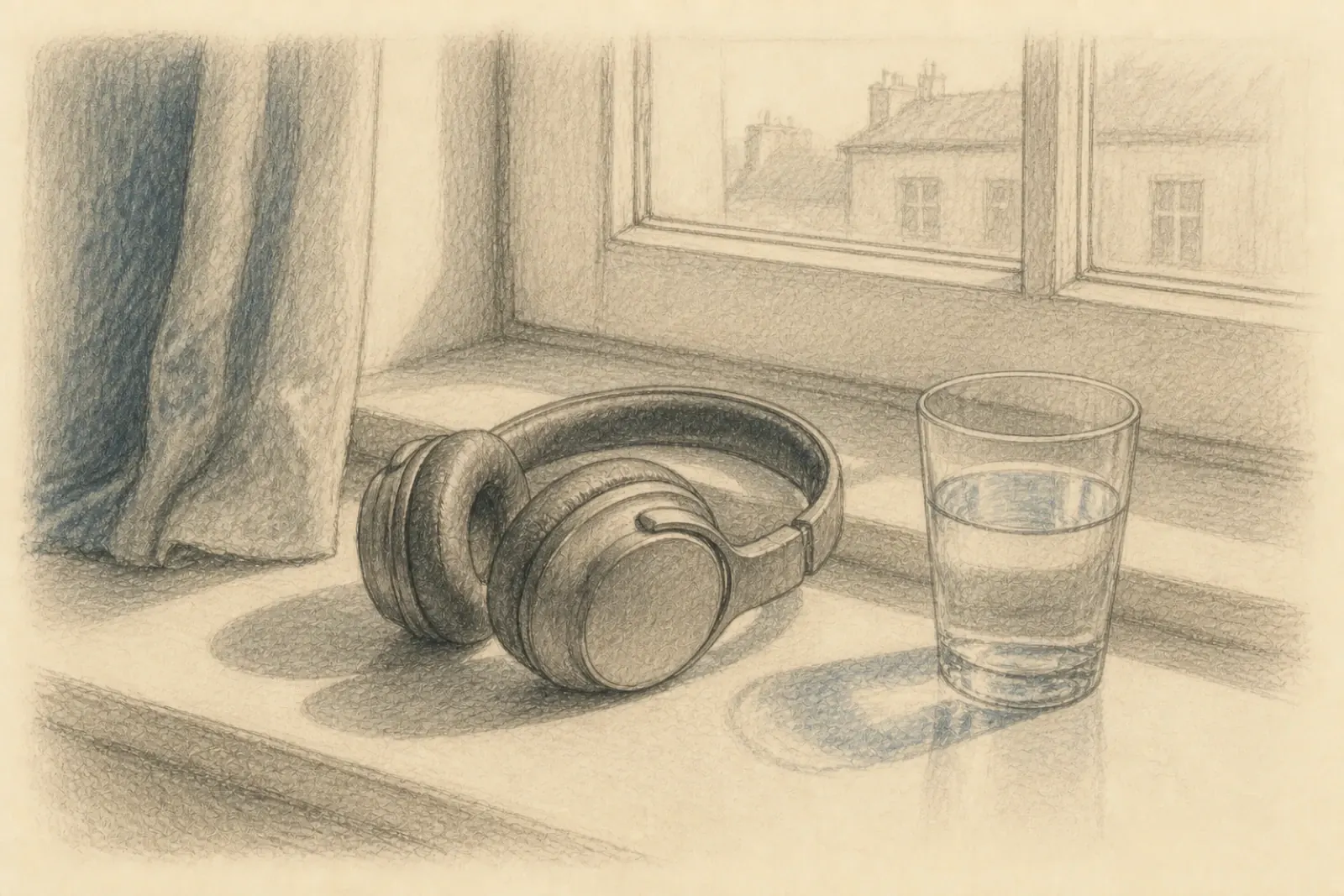
Use comfortable over-ear headphones, and keep the volume low. Low enough that you can still hear the room around you. Louder isn't stronger with this music; the quiet is part of how it works.
Choose a settled spot and a time of day when nothing is about to be demanded of you. Many people find that the same time each day helps the listening become ordinary, which is exactly what we want it to be. You don't need to concentrate on the music, and you're not trying to feel anything in particular. Resting, sitting quietly, being unbusy: that's the whole assignment.
What you may notice, and what it means
Most listening days are uneventful, and an uneventful day is not a day where nothing happened. This programme does most of what it does in silence.
That said, there's a range of experiences that belong to this process, and I'd rather you meet them here first, named and expected, than meet them cold.
During listening, you might yawn or sigh more than usual, feel your eyes wanting to close, or feel suddenly quite tired. These are ordinary signs of a nervous system downshifting, and they're welcome. You might also feel restless or irritable on some days, and that's information too, usually a sign that today wants a shorter session.
In the hours and days around listening, some people notice feelings arriving without an obvious reason: tears that come easily, a wave of sadness or tenderness, moments of unexpected lightness. Old memories can surface, and so can images of people from the past, sometimes people you haven't thought of in years. Dreams can become more vivid for a while. A day can feel wobbly, thin-skinned, or unaccountably emotional.
If any of this happens, it isn't a sign that something is wrong, and it isn't a sign that you're doing it wrong. As your nervous system changes state, material that was held at a distance can move, and moving material is felt. Most of these experiences pass within a day or two, and they tend to come early in a round and soften as it goes. Note them in your journal, let them pass through, and mention them when we speak.
Your body sets the pace
If a listening day feels like too much, make it shorter, or stop for that day. Nothing is lost. The listening is built to be interrupted, and your schedule is sized to what you can hold, not to what the programme contains. Stopping when your body says enough isn't falling behind. It's the skill we're actually practising.
When in doubt, do less. In this work, less and steady beats more and brave, every time.
When to write to me
Between sessions, write to me if:
- a difficult feeling or state lasts more than a couple of days rather than passing through
- your sleep becomes seriously disrupted
- anything that surfaces frightens you, or feels bigger than you want to hold alone
- you've stopped listening for more than a few days and aren't sure how to start again
- or you're simply unsure about anything at all
There's no wrong reason to write. A two-line message is enough, and I'd always rather adjust your pace early than have you push through a hard week in silence. Remember that I can also see your listening record, when you listened and for how long, so you never need to report the logistics. Tell me how it felt; the numbers I have.
The journal
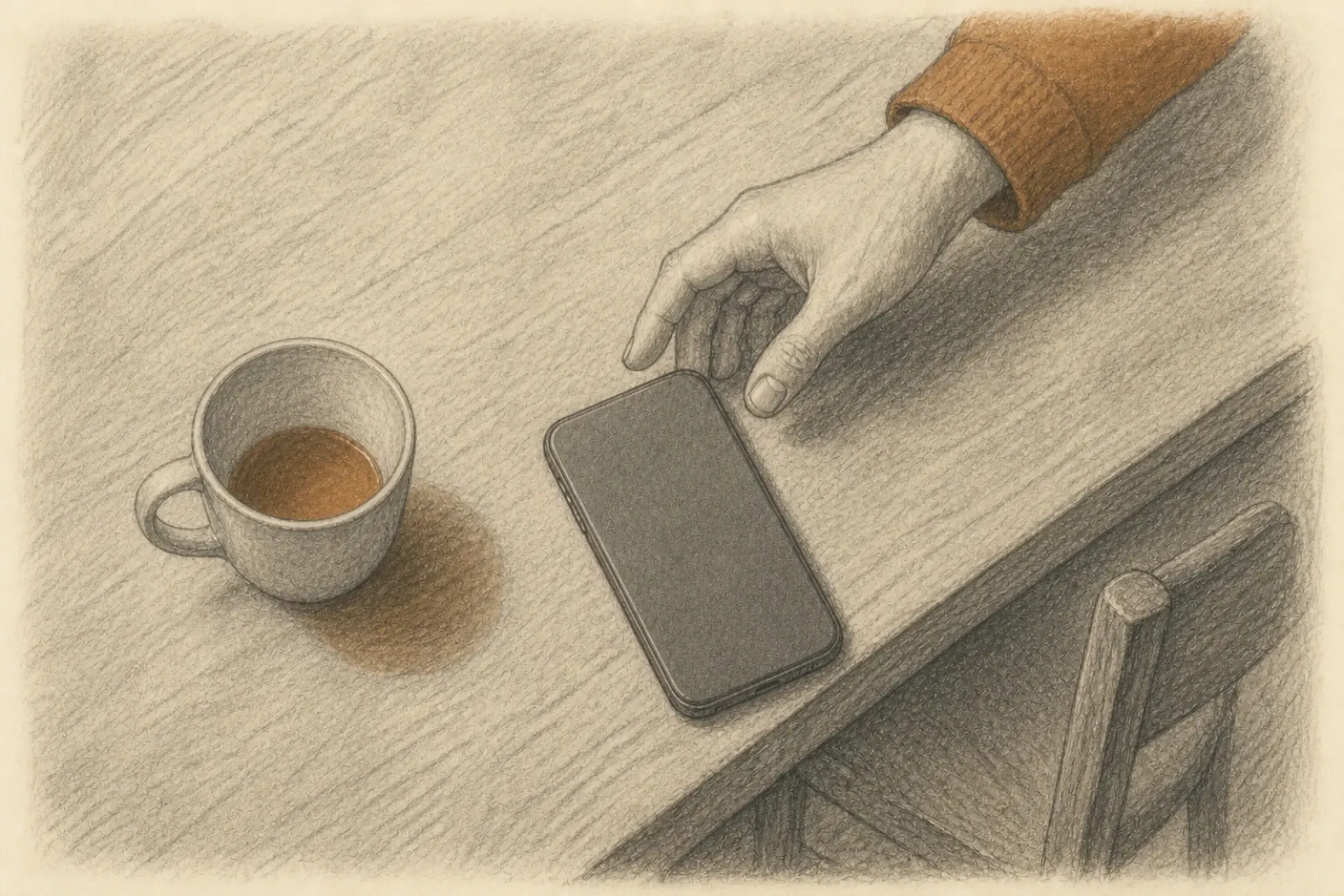
Two lines a day is plenty. What your mood was, how you slept, how the day went, and anything you noticed during or after listening. Ordinary days get written down too, because the pattern is what we read, and a pattern needs its quiet days to be visible.
Bring it to our sessions. It's what we work from, and over the weeks it becomes something genuinely useful to you as well: your own record of a nervous system learning, in its own time, that it's safe enough to settle.
You're not doing any of this alone. The pace is ours to adjust, the direction stays the same, and I'm one message away.