What we teach
A complete method for learning to facilitate
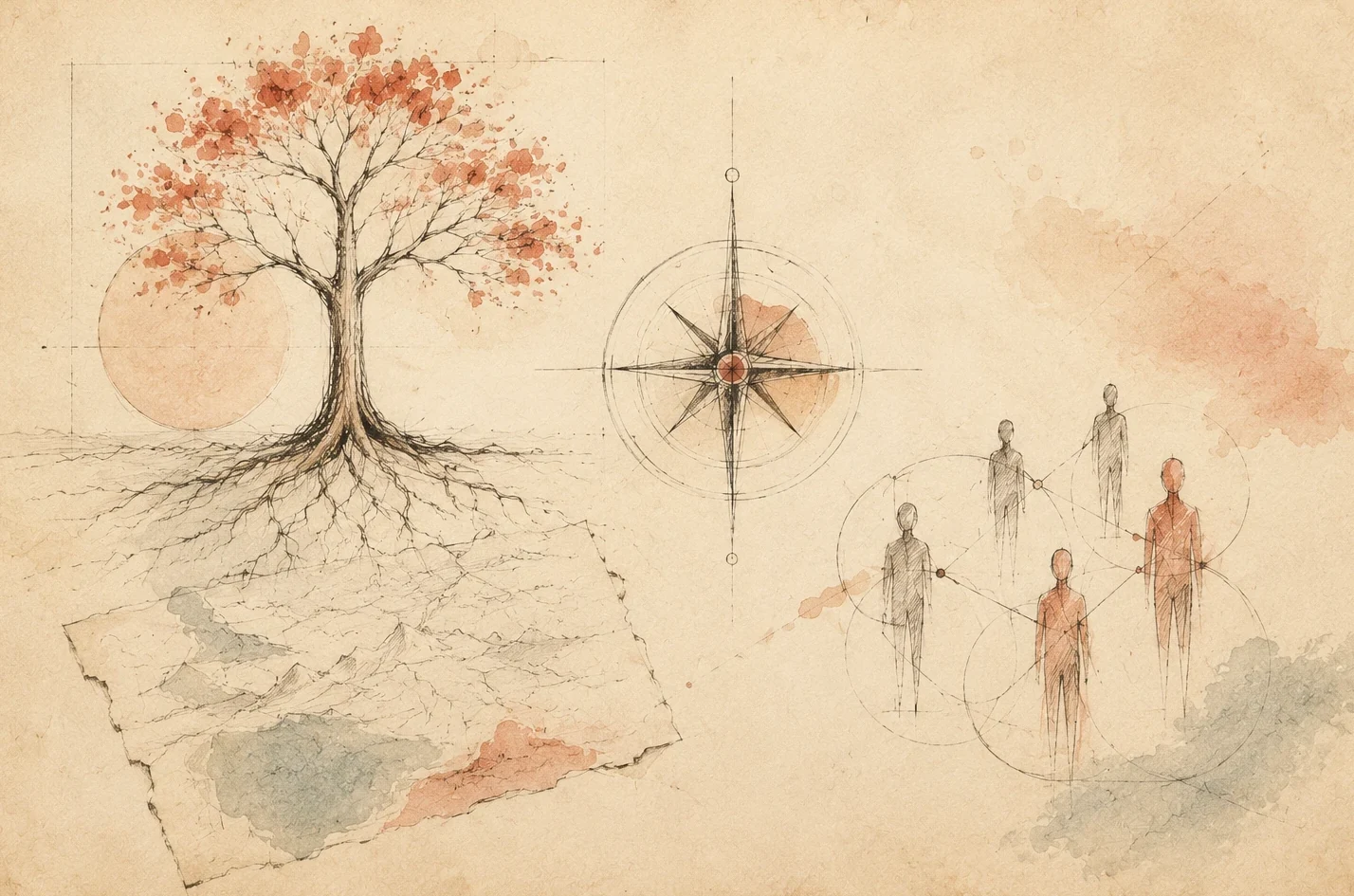
Learning family constellation techniques is not the same as learning how to facilitate. The Al-Ma Model brings theory, practical craft, the relationship with the client and the development of the facilitator into one connected method. Built in four frameworks, it gives you a way to understand a system, work with what emerges and develop your practice over time.
Table of contents
Why a model
Questioning what we inherit, and developing what comes next.
The four frameworks
Theory, technique, relationship and competence in one method.
Where it comes from
Practice, study, two names and a much wider lineage.
How it works
Structure without prescription, with the client at the centre.
Chapter 1
Why a model exists
Family constellations comes with a body of practice, ideas and answers. Developing a model means being willing to ask the questions again.
The questions
A practice develops when its answers can be questioned
Family constellations has developed through many people and traditions. So have the answers about what facilitators are seeing, why they intervene and how the work should be done.
Family constellations did not begin with one person, and neither did the ideas behind it. The practice grew from systemic family therapy, psychodrama, family sculpture and other traditions, and has continued to develop through the people who study, practise and teach it.
With any established practice, answers are also inherited. Ideas about what we are seeing, why something happens, what an intervention means or what a facilitator should do can pass from teacher to student until they become part of how the work is done.
We think those answers should remain open to question.
That has meant returning to the broader roots of constellation work, studying the fields around it, and testing what we think against years of working with clients and constellations. It has also meant developing our own distinctions, techniques and ways of working where practice has taken us further.
-
What are we actually seeing in a system?
-
How do we decide what to follow?
-
Why this intervention rather than another?
-
How do we work with the client while working with the constellation?
-
What does competent facilitation actually look like?
-
How can it be practised, supervised and assessed?
The Al-Ma Model is our developed answer to those questions.
The shape of the answer
Four things have to exist
A complete method has to answer four different needs of the facilitator.
A facilitator needs a way to read the system in front of them: what holds it together, what is happening in it, and where a difficulty may sit.
Systemic Tree
the theoretical framework
They need a way to work with what they are seeing: how to begin, what to follow, when to intervene and how to keep the work connected to the client’s goal.
Field Compass
the technical framework
They need a way to hold themselves, the client, the representatives, the group and the wider system at once, including when the work becomes difficult.
Relational Stance
the relational framework
And all of it needs to become something a student can actually develop: specific enough to practise, supervise and assess without reducing facilitation to a checklist.
Facilitator’s Path
the competence framework
Al-Ma brings these four frameworks together into one method for systemic constellation facilitation. Each answers a different question, and each informs the others.
The architecture
How the four connect
Theory informs technique. Technique is held through relational stance. Competence makes all three teachable, observable and assessable.
Chapter 2
The four frameworks
Four connected frameworks give you the theory, technique, relational practice and developmental path behind the work.
Framework 1 · the theoretical framework
Systemic Tree
The theory: a way to read what is happening in a system. Five levels sit in constant feedback, from survival through to individuation. The Tree describes patterns a facilitator can look for without deciding how a family or relationship should be.

the roots
Survival
Trauma lives here: a survival response, from the person’s own life or carried across generations, described rather than judged. Survival of the system can outrank the survival of any one member, and what a system once did to survive may still be visible in it.
What becomes visible
- Detachment that once answered danger, still present generations later.
- A nervous system reading safety and danger on old information.
- Attachment used as a survival strategy rather than a relationship style.
We work trauma-informed; we do not do trauma therapy in the foundational training.
the trunk
Belonging
Who belongs to the system, who counts as a member, and the spoken and unspoken rules and loyalties that come with belonging. This is also where we learn what things mean: what it means to be a mother or father, a good son or daughter, what love looks like, what is safe, what success costs, who can be trusted, and what is expected of us. These meanings grow from the family's experiences and history and become part of the world its members share. To belong is, in part, to agree that this is how the world works.
What becomes visible
- A place in the system that is denied or withheld.
- Loyalties pulling against each other.
- Family narratives, or statements about how the family or the world works, about who and what belongs.
the branches
Structure
Position, borders and functions. A position is set for life; the role and functions within it can move, and every structural difficulty lives somewhere in that gap. Five questions separate a rearrangement that still serves from one that stayed after the need passed, and the answer can be yes.
What becomes visible
- A child carrying a parent’s responsibilities long after the crisis has passed.
- Borders that hold too rigidly, or barely at all.
- An old place in the family someone comes from competing with a new one in the family they have made.
the leaves
Balance
The give and take: where exchange happens and what it costs. Receiving is not yet taking, taking leaves you owing, giving leaves you owed, and exchange can thrive, stagnate or deteriorate. Every system is in balance; the question is what the balance is costing.
What becomes visible
- Giving held high and taking kept small, so no obligation can land.
- A real grievance carried to the wrong person.
- Emotions or symptoms carried on someone else’s behalf.
the flowers
Individuation
Becoming a distinct self while staying in relation, from birth to death. Health here is range rather than a midpoint: the ability to move along the line between closeness and distance, and to return.
What becomes visible
- Merged at one end of the line, cut off at the other, and being stuck anywhere on it.
- Distance that is growth in one case and a break in another.
- Pain and anger on the surface, the original love and longing underneath.

runs through all five
The feedback layer
How the five levels act on each other, each mechanism named, as much part of the theory as the levels themselves. The levels give an order for intervening; the feedback is what makes them one system rather than a staircase.
What becomes visible
- A tension between surviving and handing on, spread across the members.
- A system reorganising around a disturbance, with no guarantee the new order is fairly priced.
- Triangulation, a two-person tension routed through a third.
Roots up survives as a rule of thumb for where change most easily begins, never as how the system is built.
Framework 2 · the technical framework
Field Compass
The technique: a structure for moving through a constellation without prescribing what should happen in it. Knowing the process gives the facilitator somewhere to stand, so more attention can stay with the client and what actually emerges.
1
Setup
The issue, the client’s goal and the facts that give the constellation its starting point.
2
Interview
The exploration begins here, entering the client’s lived experience and letting the wider picture start to emerge.
3
Opening
Bringing the constellation into the room in a way that fits this client, this issue and this moment.
4
Exploration
Following what emerges and gradually bringing the wider picture into view.
5
Transformation
Exploring what may allow something in the system to move.
6
Resolution
Letting the movement settle and connecting it back to the client and their goal.
7
Closing
Closing the constellation gently, releasing representatives from their roles and returning attention to the client.
At every stage
What you learn
Techniques
Concrete things to do at every stage, from the first setup to the closing.
Questions
Asked so the client finds their own way forward, guided gently and curiously.
Interventions
Built from movements and statements, with a form for every stage.
Emotional Intelligence
From reading body language to telling your own feelings from the client’s.
Together, these give a facilitator ways to meet the different demands of a constellation: to understand the system while staying with the person, to follow what emerges while keeping direction, and to lead the process without taking it over.
Framework 3 · the relational framework
Relational Stance
The relationship is part of the method. The Relational Stance develops how a facilitator works with the client, representatives, group and wider system while remaining aware of their own place in the work.
The facilitator’s position
Four relations, held at once
Client
Reps
Group
System
What the facilitator brings
Five parts of the work
The client brings what they want to work on, in their own words, and their goal gives the constellation its direction. The facilitator learns to stay close to that goal as the constellation develops, working through the client and inviting them into each movement. Their responses, choices and sense of what fits continue to guide how far the constellation goes and where it moves next.
Safety is something the facilitator learns to read throughout the constellation. Words are part of that, alongside breathing, posture, pace, activation and the ways the body responds as something comes closer. The facilitator learns to work with that information, adjusting pace and depth so the client can stay present to what is happening. Trauma-informed practice is woven into how the constellation unfolds.
A facilitator is part of the relational field they are observing. Their own history, feelings, assumptions and cultural background all shape what they notice. The stance develops the capacity to recognise these influences while staying present to the client. As the constellation unfolds, the facilitator keeps differentiating between what belongs to the client, what arises in themselves, and what may be happening in the relationship between them.
A constellation includes more than the client and facilitator. The stance extends to the representatives, the group and the wider system being explored. Facilitators learn to attend to each of these at once: caring for the people taking part, bringing representatives clearly into and out of their roles, and looking with curiosity at everyone who belongs to the system, including those whose place may be difficult to understand.
Empathy gives the facilitator another way of listening. Alongside words, they learn to notice tone, rhythm, posture, silence and their own responses to the person in front of them. These become part of the information they can stay curious about. The stance develops the capacity to come close enough to feel with the client while remaining differentiated enough to think, observe and facilitate.
The Tree helps you understand how trauma can shape a person and travel through a family system. The Stance brings that understanding into the relationship with the client: learning to read safety and activation, stay close to lived experience, and recognise when trust has been strained. Facilitators learn to recognise different kinds of rupture, understand what is happening in the relationship, and respond in ways that help repair it.
Framework 4 · the competence framework
Facilitator’s Path
Facilitation develops through practice. The Facilitator’s Path makes that development visible through 31 competences, broken down into observable behaviours that can be practised, supervised and assessed across the three years.
31
competences
195
markers
691
observable indicators
The Path turns broad qualities into things a supervisor can actually see. Presence, for example, is broken down into behaviours such as keeping an even volume when the material becomes difficult, staying oriented to the client, and responding without rushing. That gives students something specific to practise and supervisors something specific to observe.
Does not become sharper, louder, or rushed under pressure.
Does not stack multiple questions at once.
Tracks tearing up or crying, very common and easily missed.
-
Supervision shows what to practise next
The same competences are observed repeatedly across the training. Over time, supervision shows where a student is already consistent, where a skill is beginning to appear, and what needs more practice. The next step comes from that individual picture.
-
Development stays visible
A student may be strong in reading a system while still developing their interviewing, pacing or closing. The Path keeps those differences visible, so progress can be followed across the whole set of competences rather than reduced to a single judgement of readiness.
The demonstration
One client, four frameworks
Meet Anna. She has come with a pattern she knows well: whenever her family needs something, she becomes the one who carries it. Follow one constellation and see what each framework contributes.
Anna’s question
Anna is 36. She has her own work and her own family, and she is still the one who looks after her father, sorts out her sister’s problems and calls her mother first when something goes wrong. She loves them, but she is exhausted. Saying no brings immediate guilt. She wants to understand why she always ends up being the responsible one.
The pattern takes shape
As Anna talks, more of the pattern comes into view. She was the eldest child and “the sensible one” from very young. Her mother often turned to her when something needed sorting out. Over time, being needed became closely tied to how Anna knew her place in the family.
Into the constellation
Anna brings the pattern into the constellation. Her representative quickly turns towards her mother, with responsibility close beside her. As the family takes shape, Anna recognises how quickly she moves towards what other people need. When she experiments with leaving some responsibility with her mother, she begins to cry. It feels selfish. The constellation stays with that moment.
Back in supervision
Later, the student brings the session into supervision. Student and supervisor return to particular moments: the questions that brought the pattern into view, the choice of opening, what led to each new element, and how the facilitator responded when Anna began to cry.
Seen through the Systemic Tree
The Tree helps the facilitator locate Anna’s pattern across Structure and Balance: the role she took in the family, how responsibility became attached to that role, and how easily she gives compared with receiving or leaving something with someone else.
Seen through the Field Compass
The Compass gives the facilitator a structure for following what emerges: what to explore next, when another element may help complete the picture, and when enough of the pattern is visible to begin looking for movement.
Seen through the Relational Stance
The Stance helps the facilitator stay with Anna’s words, activation, pace and goal as the guilt appears. Her emotional response becomes something to understand with her, while her relationship with her mother and the wider family system remain in view.
Seen through the Facilitator’s Path
The Path turns those moments into observable competences: how the student interviewed, paced the constellation, stayed with Anna’s goal, chose interventions and responded when the session became more emotionally charged. That gives supervision a concrete basis for deciding what to strengthen next.
Chapter 3
Where it comes from
Al-Ma grew through study, practice and teaching, and from a much wider lineage of systemic, therapeutic and relational thinking than constellation work alone.
The development
How the model developed
The Al-Ma Model was not designed all at once. It developed through years of study, practice, teaching, questioning and building new ways of working. Over time, that work became explicit enough to organise into four connected frameworks.
1
2010 · the practice begins
Cecilia opens her practice after fifteen years of study. Years of working with clients and facilitating constellations become part of the ground from which the later model develops.
2
2017 · the training begins
The first class starts in person in Brussels. Teaching creates another place to examine the work closely: what can be explained, what needs to be demonstrated, and what helps a facilitator develop.
3
Questioning the answers
Some questions already came with established answers. Others were answered differently from one teacher or school to another. We kept returning to the questions themselves.
4
2020 · the training goes online
The training moves online and stays there, while the work continues through practice, workshops, teaching and supervision.
5
Developing the work
Study and practice continue alongside teaching. Existing ideas are tested and refined, and new distinctions, techniques and ways of working are developed where the work calls for them.
6
Four connected frameworks
Across nine years of authored curriculum and twenty groups taught, that body of work becomes increasingly explicit. The four frameworks give it an architecture: the Al-Ma Model.
The name
More than the sum of its parts
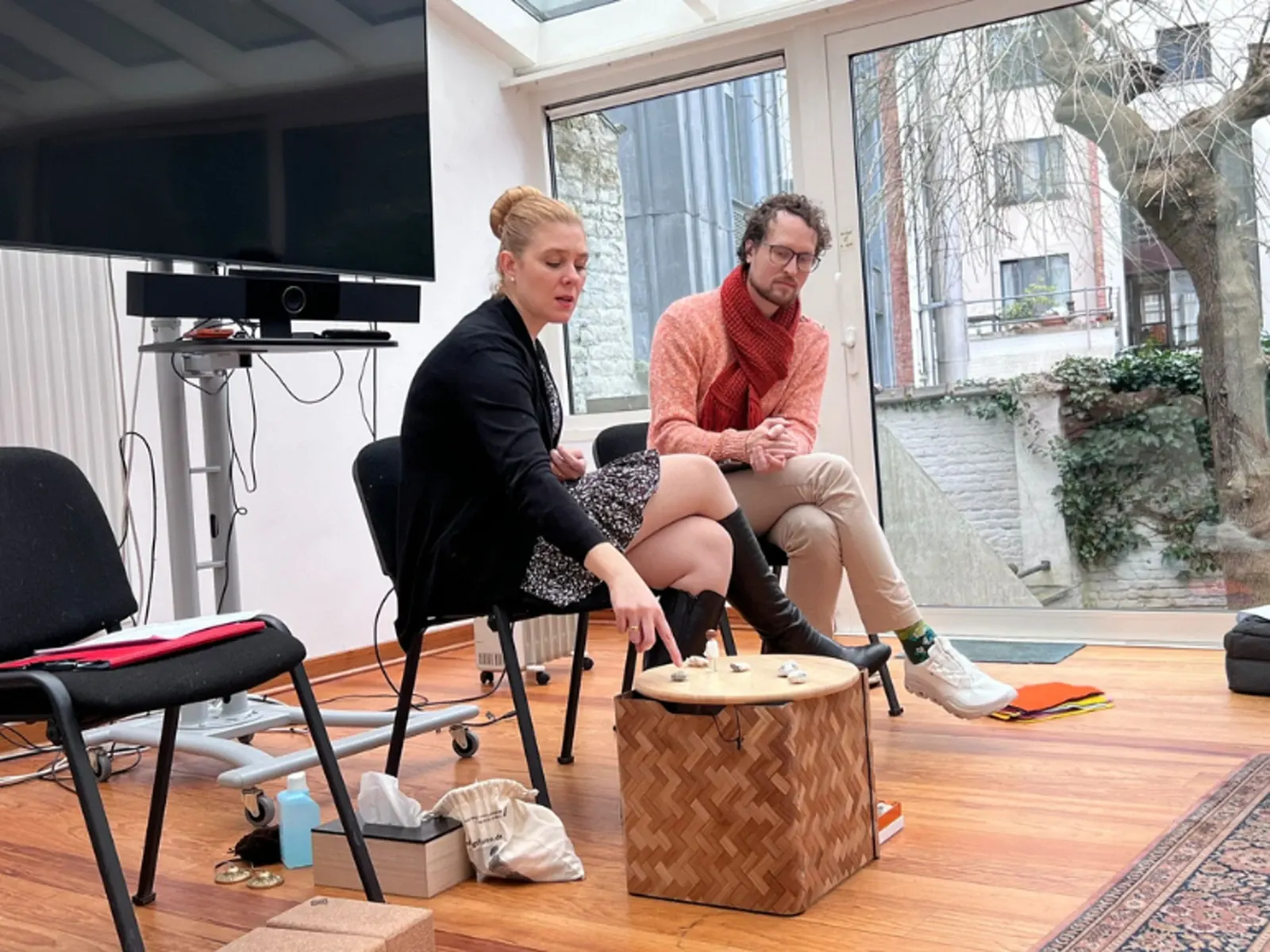
Al-Ma joins Altieri and Maebe, the two names behind the collaboration from which the model developed.
Al-Ma takes its name from Altieri and Maebe. Cecilia brought years of clinical practice, constellation facilitation and teaching. Simon brought his own systemic thinking, facilitation experience and the frameworks he was developing alongside it.
Neither contribution simply sits beside the other. The model developed through bringing them together, questioning, testing, teaching and continuing to build on what each brought.
Over time, that shared body of work was written into the curriculum, frameworks and competence model used at EISEC. It no longer depends on either founder being in the room: faculty teach from the same developed body of theory, technique, relational practice and facilitator competence.
individual practice collaboration model institute
The shoulders
This work has a lineage
Al-Ma did not grow from constellation work alone. Its four frameworks draw on more than a century of thinking about systems, relationships, human development and therapeutic practice. These are some of the people whose work forms part of that wider lineage.
-
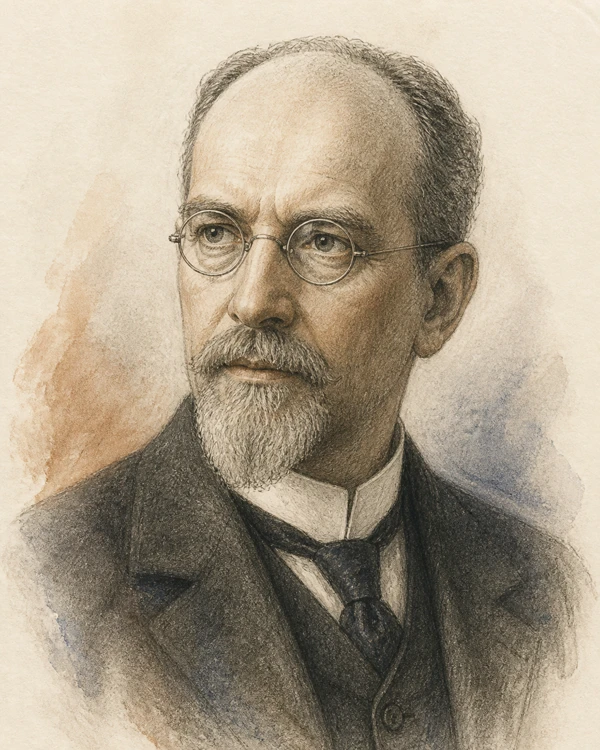
Edmund Husserl
philosopher
-
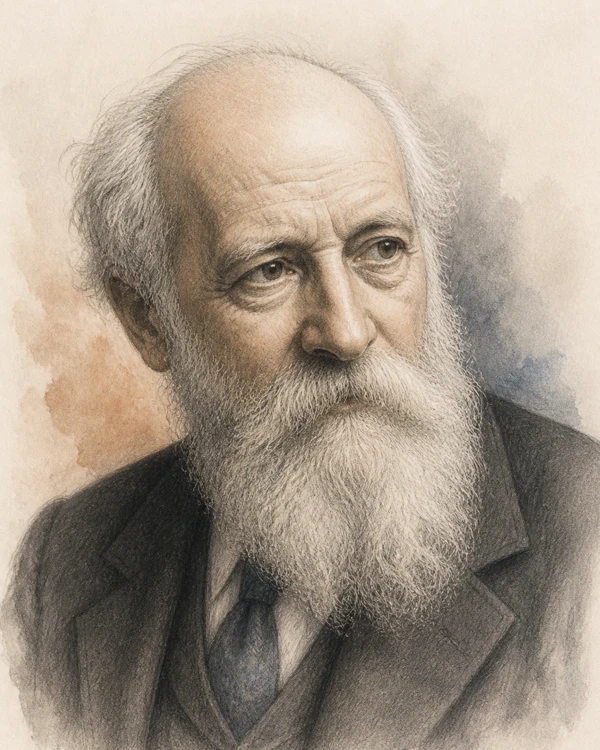
Martin Buber
philosopher
-
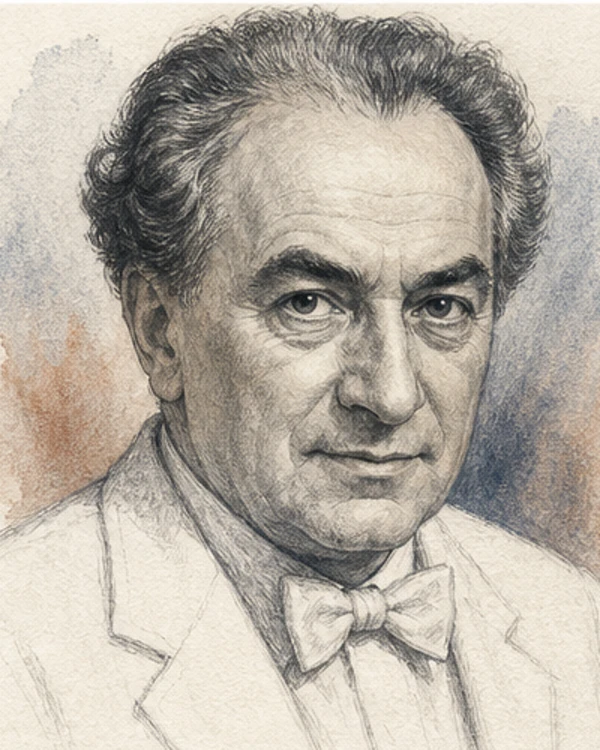
Jacob Moreno
psychiatrist
-
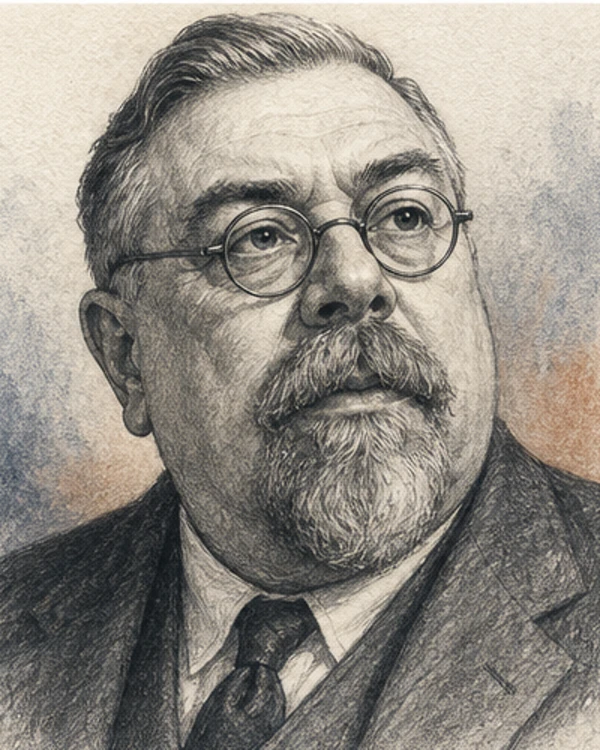
Norbert Wiener
mathematician
-
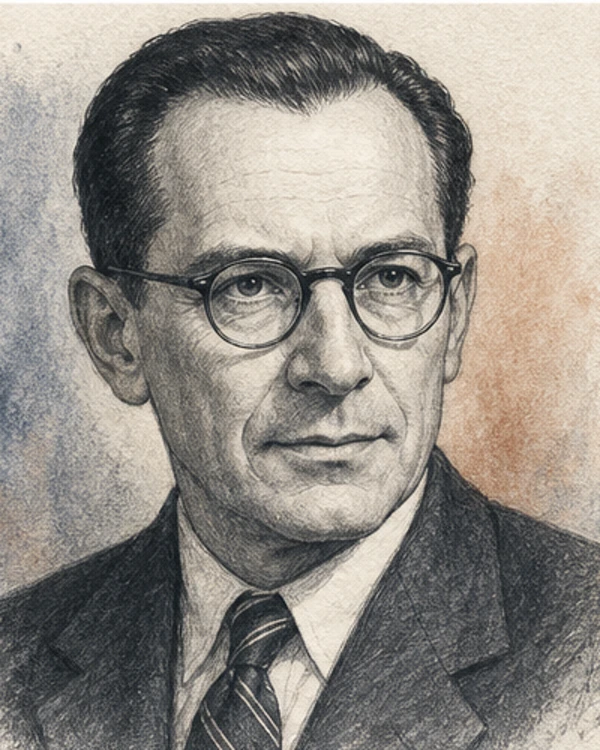
Ludwig von Bertalanffy
biologist
-
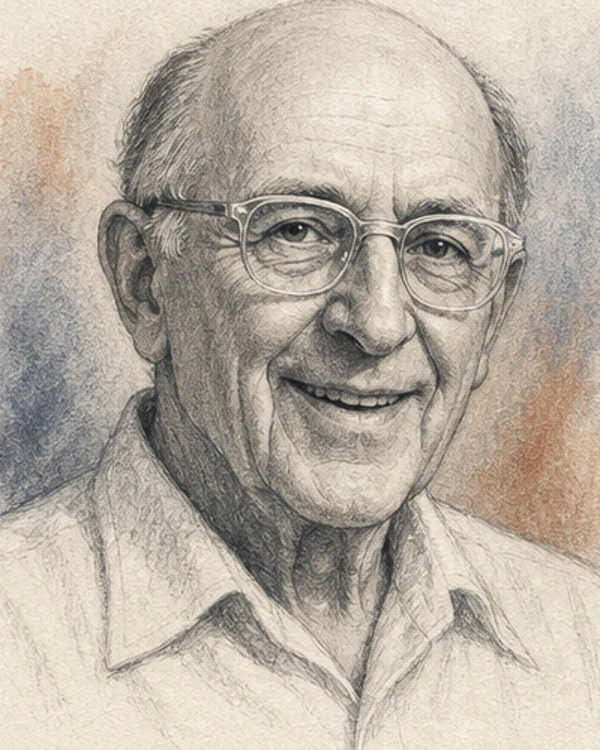
Carl Rogers
psychologist
-
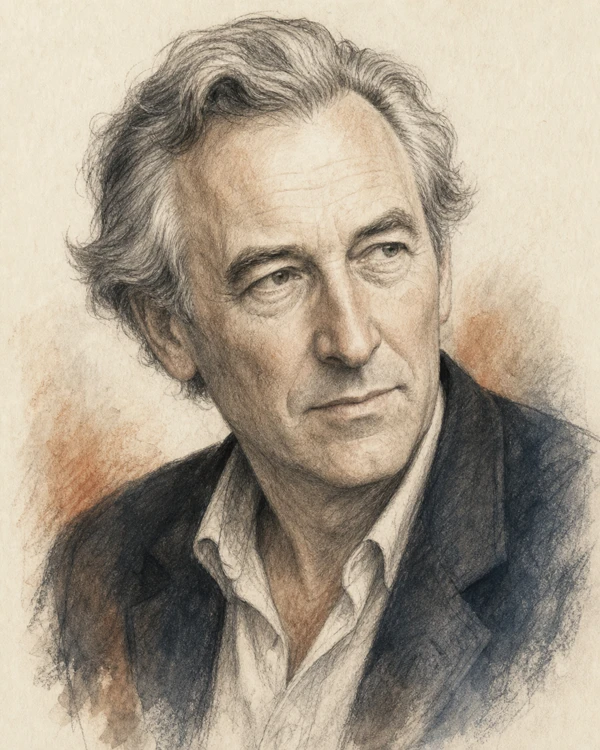
Gregory Bateson
anthropologist
-
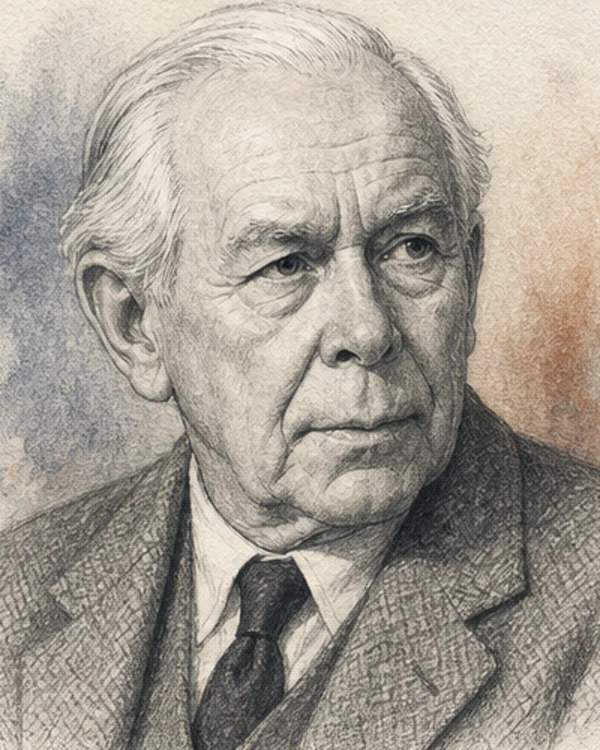
John Bowlby
psychiatrist
-
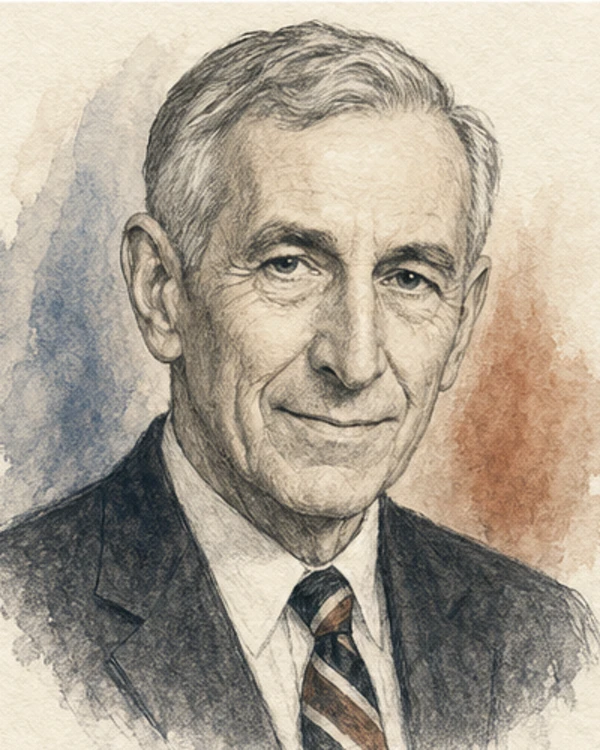
Murray Bowen
psychiatrist
-
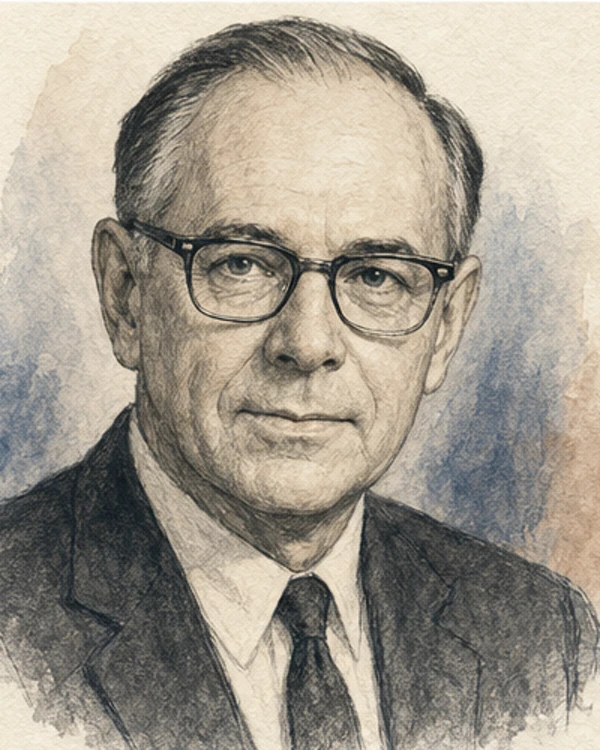
Edward Bordin
psychologist
-
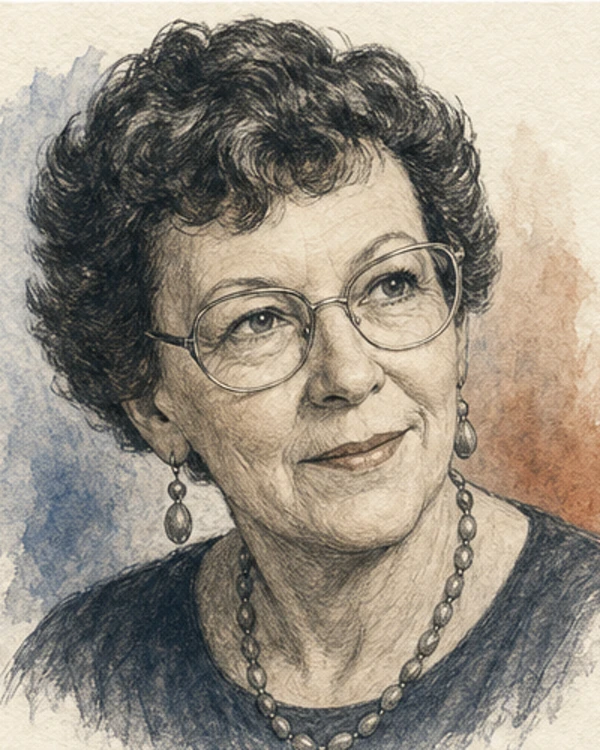
Virginia Satir
family therapist
-
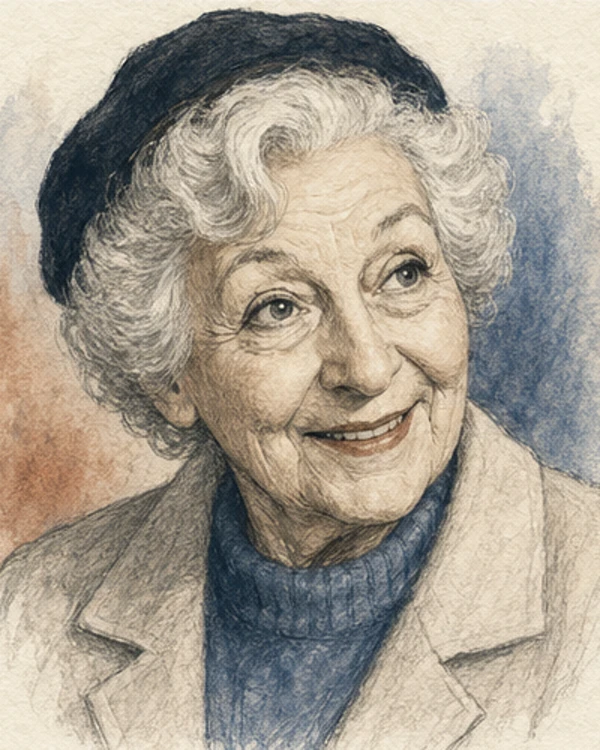
Anne Ancelin Schützenberger
psychologist
-
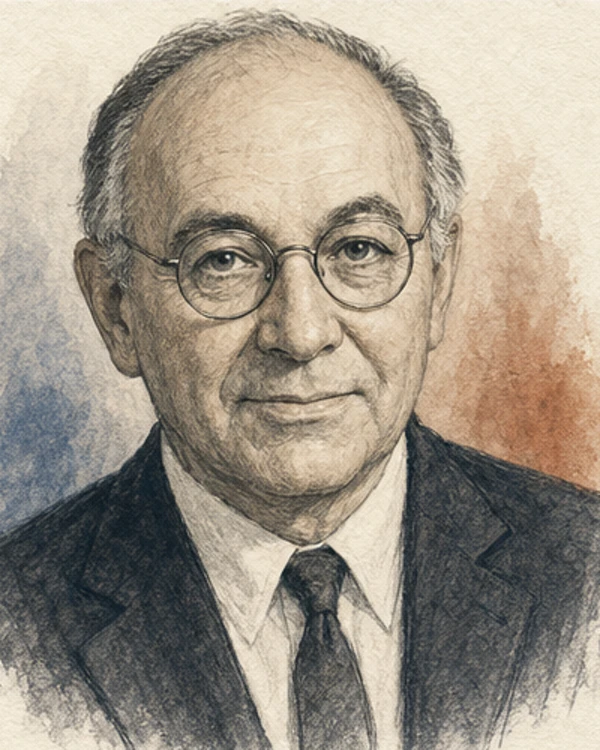
Iván Böszörményi-Nagy
psychiatrist
-
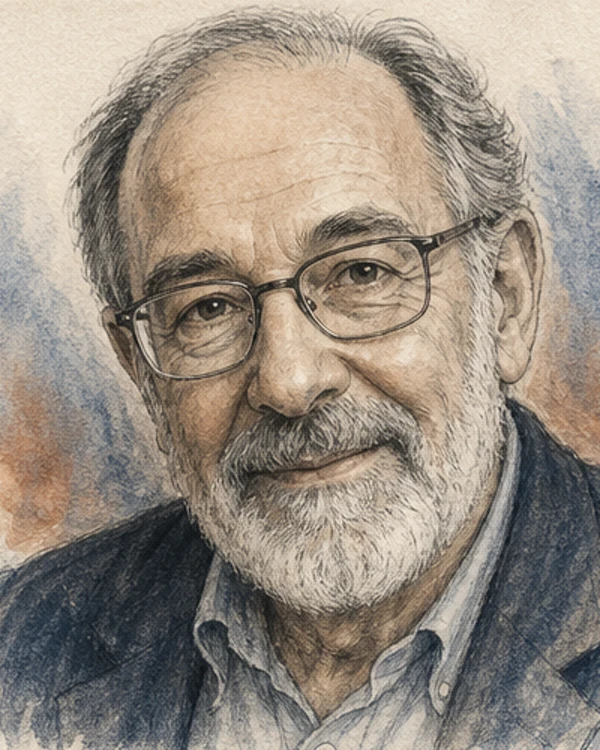
Salvador Minuchin
psychiatrist
-
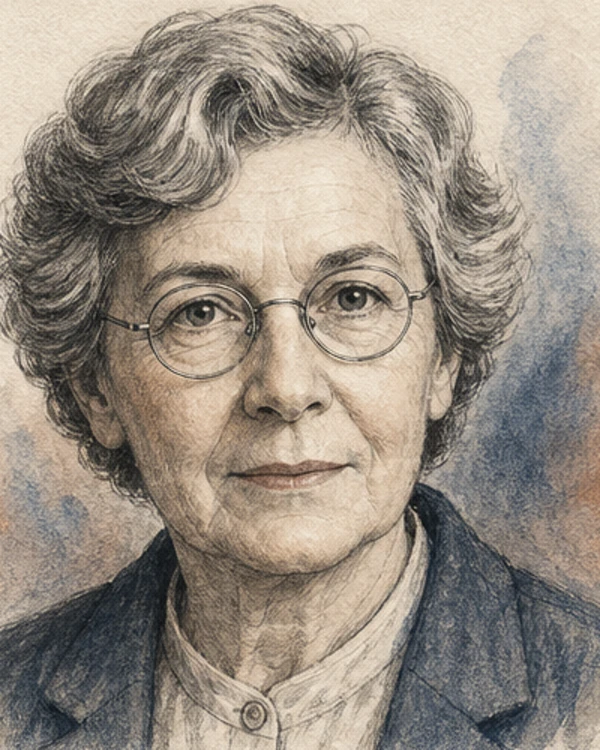
Thea Schönfelder
psychiatrist
-
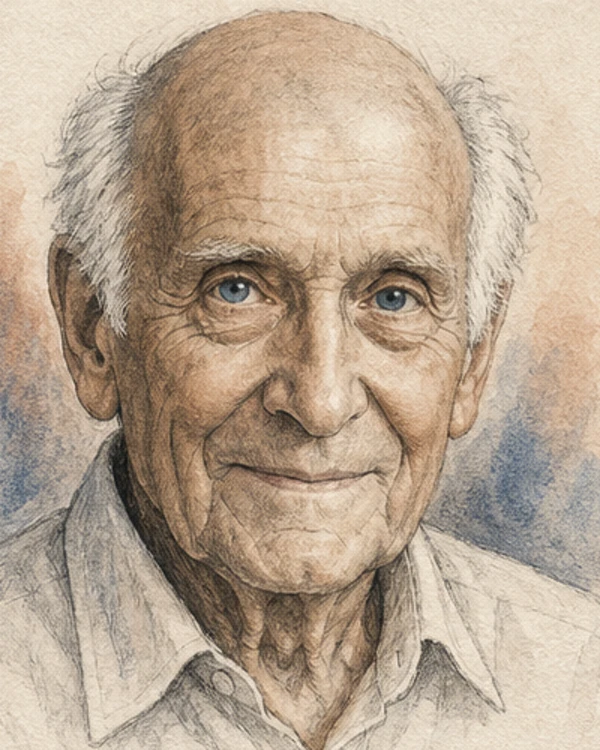
Bert Hellinger
facilitator
-
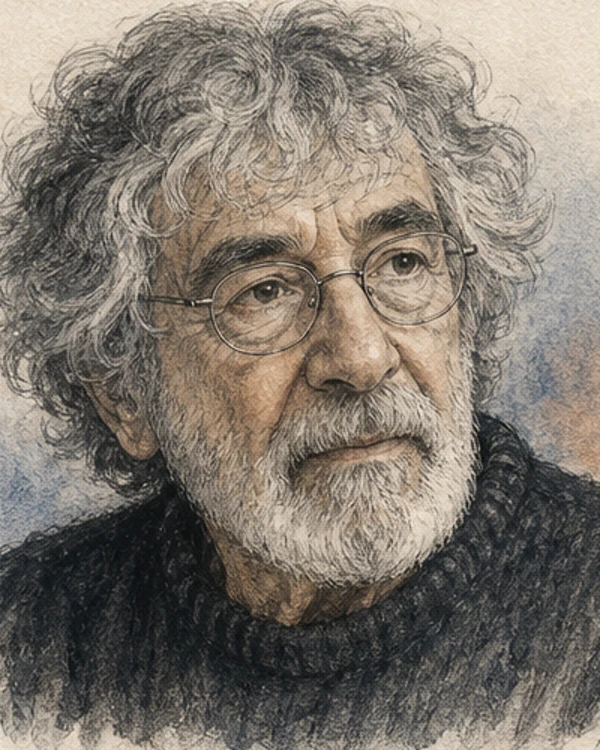
Humberto Maturana
biologist
-
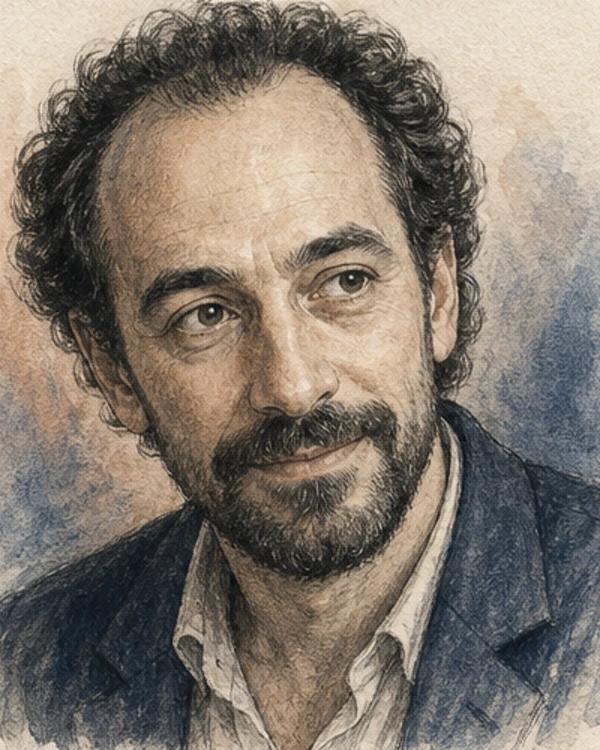
Francisco Varela
biologist
And the lineage continues. Research and practice in systemic psychology, attachment, trauma, embodiment and related fields continue to inform how we understand and develop the work.
Origins
Where family constellations came from
Family constellations emerged from several strands of twentieth-century psychotherapy. Systemic thinking changed how families were understood, experiential methods brought relationships into the room, and successive practitioners developed those ideas into the practice we know today.
- 01
Systemic family therapy
Bowen, Minuchin and Böszörményi-Nagy shift attention from the individual alone to family relationships, structure, loyalties and patterns across generations.
- 02
Jacob Levy Moreno
Psychodrama brings relationships into action, with people taking the roles of others rather than only talking about them.
- 03
Virginia Satir
Family sculpture makes relationships spatial. Stand-ins begin taking the places of absent family members and reporting what they experience.
- 04
Thea Schönfelder
In the 1970s, Schönfelder combines family sculpture with Concentrative Movement Therapy and develops the first family constellations, in groups and one to one.
- 05
Bert Hellinger
After encountering constellations in Schönfelder’s workshops, Hellinger develops his own approach and brings family constellations to a much wider international audience.
- 06
Further development
Sparrer, Varga von Kibéd, Franke and others continue developing constellation work, including structural constellations, applications beyond the family and individual practice.
-
And the field continues
Family constellations continues to develop through practitioners, schools, research and the wider therapeutic traditions around it.
Chapter 4
How the model is used
Al-Ma gives facilitators a clear structure for understanding systems and guiding constellations, while keeping the client’s goal, safety and lived experience at the centre. It is a developed model, and one that continues to evolve.
The position
Structure without dogma
A framework should help the facilitator see more, not decide in advance what something means. Al-Ma provides theory, process and ways of working while leaving room for the client and the constellation to show what actually fits.
Understanding without prescription
The Systemic Tree gives the facilitator a framework for understanding relationships, roles, patterns and dynamics within a system. It describes what may be happening without prescribing what a family, relationship or life should look like.
Structure that frees attention
The Field Compass gives the constellation a process the facilitator knows well enough to stop managing every next step. The structure stays underneath, while attention can remain with the client, the representatives and what is happening in the room.
The client gives the direction
The facilitator brings systemic understanding, a method and relational competence. The client brings the issue they want to explore and the change they are looking for. That goal gives the constellation its direction.
The question we get
Working phenomenologically
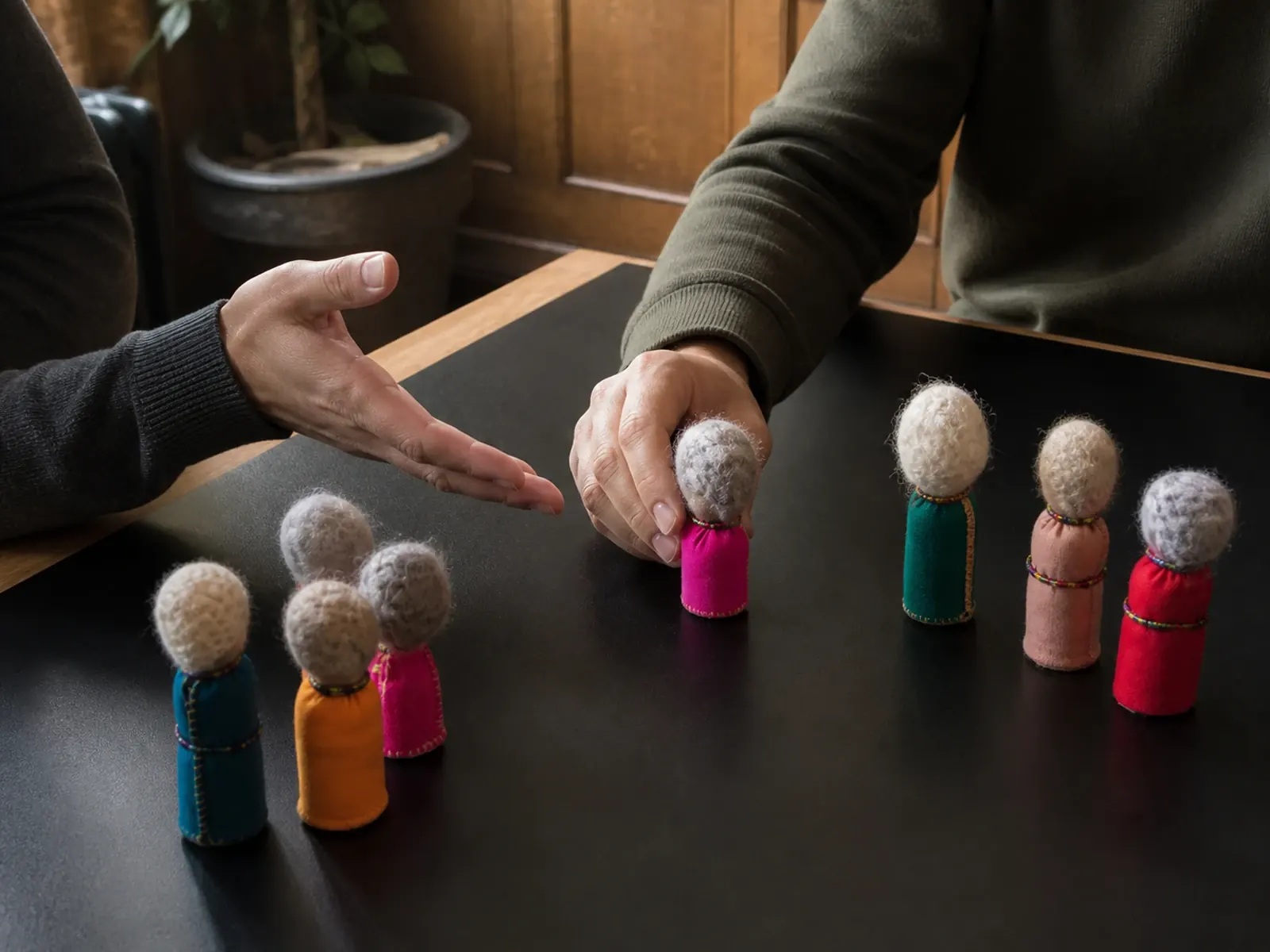
The Al-Ma Model teaches a great deal before a facilitator enters a constellation: how to read a system, how to structure the process, what to pay attention to and how to position themselves within it. That knowledge gives them somewhere to stand. It does not tell them in advance what they will find.
When someone is placed in a constellation, attention moves to experience: orientation, movement, sensation, emotion, images, thoughts and what changes as the constellation develops. The facilitator may recognise possibilities from the interview and from their systemic understanding, but these remain hypotheses. The constellation is explored through what actually happens. The client’s lived experience provides the context; what emerges in the room informs what happens next.
Responsibility
Safety is part of the method
Safety is not something added around constellation work. It is part of how a facilitator learns to notice, pace and respond throughout the process.
- Safety begins at first contact, before a constellation starts.
- The facilitator learns to read body language and changes in regulation.
- Clients and representatives can be supported with practical regulation methods.
- The pace follows what the client can stay present with.
- The facilitator learns when to slow down, ground, pause or redirect.
- The client can pause or stop at any point.
- Representatives can step out of a role at any time.
- The facilitator keeps attending to the client throughout the constellation.
- Representatives are explicitly released from their roles, by name.
- And more, as safety is practised throughout the entire method.
Safety is a facilitation skill
Facilitators learn to notice what is happening in the client, representatives and room and to respond while the constellation is unfolding. That includes reading changes in body language and regulation, adjusting pace, using grounding and regulation methods, and recognising when the process needs to slow, pause or change direction.
These skills are taught alongside systemic theory, constellation technique and relational stance, and develop through practice and supervision across the training.
If you are in crisis right now, or you are having thoughts of harming yourself, please turn first to your doctor, to a crisis line where you live, or to the emergency services.
Still moving
A living model
Al-Ma is a developed model, but not a finished one. We continue to question our own answers too. Every group, constellation and supervision gives us another opportunity to see how the model holds up in practice, while the wider fields it draws from continue to develop. Where we learn something better, the model should move with it.
Onward
Where to go next
Read about the training, join the next group, attend the introductory webinar or speak with us directly.
Looking for a different path?
The programme
Every module, in full
All six semesters and every one of the 30 modules, how the training runs week to week, how facilitation develops, supervision, certification, what taking part involves and what it costs.
We'll email you the link to the full programme.
Where it is taught
Learn the whole method
The three-year training teaches all four frameworks together: how to understand systems, facilitate constellations, work relationally and develop your competence through practice and supervision.
About the training